Black Tank Top 8800 Mockup: A Designer's Review
As a designer who spends more time staring at stitch simulations than actual fabric sometimes, I have learned to be skeptical of digital assets. We often get swept up in the glossy presentation of Product Mockups and forget the gritty reality of the needle hitting the cloth. When I first opened the Black Tank Top 8800 Mockup, my initial reaction wasn't just about how pretty the image looked on my screen; it was about utility. Could this specific graphic asset actually help me sell a finished product, or was it just another pretty picture destined for a forgotten folder? After putting it through the wringer of a hypothetical project workflow, I can say with confidence that this tool bridges the gap between a raw digital embroidery file and a customer's imagination.
The First Impression: Mood and Market Fit
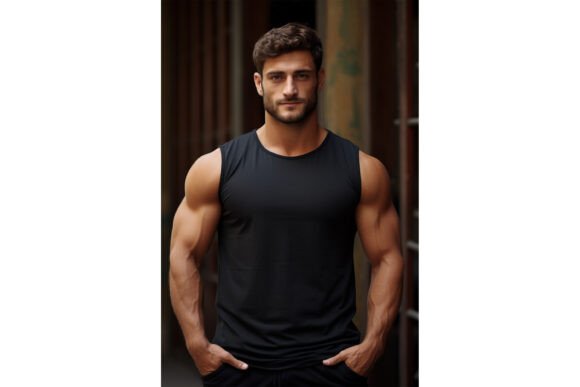
The immediate strength of the Black Tank Top 8800 Mockup lies in its versatility. In the world of custom apparel, black is the universal canvas. It absorbs light, making bright thread colors pop, but it also hides the imperfections of lower-quality stitching better than white or pastels. This mockup captures that specific mood perfectly. It feels modern, slightly edgy, yet clean enough for boutique branding. When you are trying to visualize a new machine embroidery design, the background context matters immensely. A floral applique design looks completely different on a wrinkled beige linen than it does on a sleek, dark cotton blend. This asset provides that sleek, dark context instantly.
For an Etsy seller or a small shop owner, the visual personality of your listing is everything. The layout of this mockup allows your artwork—whether it is a complex fill stitch logo or a delicate running stitch monogram—to take center stage without distraction. It creates a professional atmosphere that suggests high value before the customer even reads the description.
Real-World Application: From Screen to Stitch
Let's talk about a real scenario. Imagine you are preparing a summer collection for a local beach boutique. You have designed a series of tropical motifs intended for sweatshirt embroidery during the cooler evenings, but you also want to offer lighter options for daytime wear. You need to show the client how a vibrant coral satin stitch hibiscus will look against a dark garment. Using the Black Tank Top 8800 Mockup, you can overlay your design and instantly gauge the contrast.
This is where the practical value shines. It isn't just about showing a finished product; it is about testing the viability of the design itself. If your embroidery file relies heavily on subtle shading, seeing it on this dark background might reveal that you need to adjust your thread colors for better visibility. Perhaps that light blue needs to be bumped up to a royal blue to stand out against the black fabric simulation. This pre-visualization step saves hours of unpicking stitches later.
Beyond apparel, this mockup works surprisingly well for visualizing tote bag design concepts or even embroidered patch presentations. If you are selling digital assets, having a consistent library of mockups like this helps maintain brand consistency across your shop. It tells your buyers, "I care about how my designs look in the real world."
Navigating Fabric Textures and Stitch Density
However, we must remain realistic. A mockup is a simulation, not a substitute for a physical test. While the Black Tank Top 8800 Mockup presents a smooth, ideal surface, real-world fabric texture can be unforgiving. When planning a project based on this visual, you must consider the limitations of the actual material you will be stitching on.
If you are working with stretchy fabrics, which tank tops often are, your stitch density becomes critical. A design that looks crisp in the mockup might pucker terribly on a thin, stretchy black knit if the density is too high. Similarly, if you are adapting this concept for a curved surface like a cap or a structured pillow cover, the perspective in the mockup might need mental adjustment. The flat lay of the graphic doesn't account for the curvature of a baseball cap or the seam allowances of a kitchen towel.
For items that require frequent washing, like baby embroidery projects or gym wear, the visual appeal in the mockup must be backed by structural integrity. Dark fabrics show lint and loose threads easily. If your design has tiny, detailed corners or microscopic lettering, ensure that your hoop size allows for proper stabilization. A beautiful image in a printable mockup means nothing if the actual stitches pull apart after the first wash cycle.
Enhancing Perceived Value and Customer Trust
In the competitive landscape of craft business, perception is reality. The quality of your presentation directly influences the perceived value of your handmade product. Using a high-quality asset like the Black Tank Top 8800 Mockup signals professionalism. It shows that you understand marketing and that you take pride in your personalized gift offerings.
When a customer sees your design rendered realistically, their trust increases. They can visualize themselves wearing the item or giving it as a holiday gift. This emotional connection drives buyer engagement. Whether you are creating wedding gifts or nursery decor, the ability to present a clear, attractive preview reduces hesitation. It answers the question, "What will this actually look like?" before they even ask it.
Practical Notes for the Embroidery Designer
Before you commit to production based on this mockup, here are a few essential steps to ensure success:
- Test on Scrap Fabric: Always stitch your machine embroidery design on a scrap piece of the actual fabric you intend to use. The mockup cannot simulate the give of a cotton-poly blend versus 100% rayon.
- Check Thread Contrast: Verify that your chosen thread colors provide enough contrast against the black background. What looks good on a backlit screen might vanish in dim room lighting.
- Review Stitch Density: Ensure your fill stitch areas aren't too dense for the fabric weight. Heavy stitching on light fabric causes puckering.
- Confirm Hoop Size: Make sure the design fits within your available hoop size, especially if you are working on smaller items like pockets or cuffs.
- Inspect Small Details: Zoom in on your digitized file. Tiny details that look sharp in the Graphics preview might turn into a bird's nest of thread if they are below the minimum stitch length for your machine.
- Stabilizer Selection: Choose the right stabilizer for the job. Cut-away is usually best for stretchy garments, while tear-away works for stable wovens.
- Licensing Check: Always confirm the licensing terms of the mockup itself. Ensure you are allowed to use it for commercial embroidery promotions or if it is strictly for personal portfolio use.
The Black Tank Top 8800 Mockup is a powerful tool in the modern designer's arsenal. It allows us to bridge the gap between the digital precision of our embroidery project files and the tactile reality of the final garment. By using it wisely—acknowledging its strengths while respecting the physical limitations of thread and fabric—you can elevate your small shop product listings and deliver exceptional results to your clients. It is not just an image; it is a planning partner that helps you visualize success before you ever thread the needle.