Rabbit Skins 4411 Baby Mockup 132: A Designer's Review
As someone who spends hours hunched over embroidery machines and editing software, I have learned that the difference between a product that sells and one that gathers dust often comes down to presentation. We pour our hearts into selecting the right thread colors, tweaking the stitch density, and choosing the perfect fabric texture. Yet, if the customer cannot visualize the finished product before they buy, we have already lost half the battle. Recently, I had the chance to evaluate the Rabbit Skins 4411 Baby Mockup 132 from the perspective of a working designer, specifically looking at how it serves real-world embroidery projects and commercial listings.
The First Impression: Warmth and Professionalism
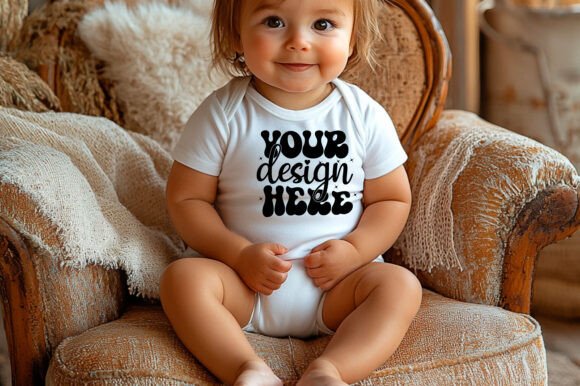
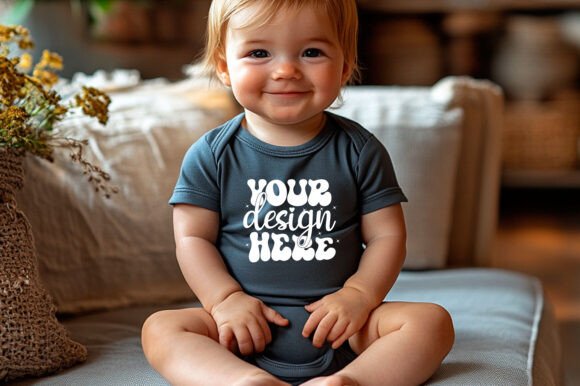
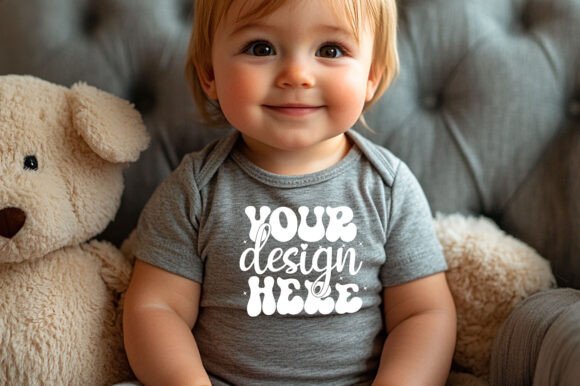
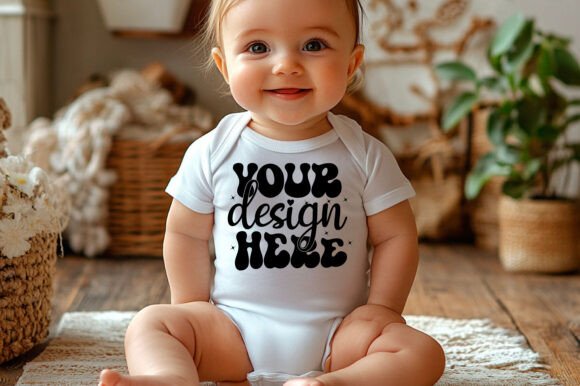
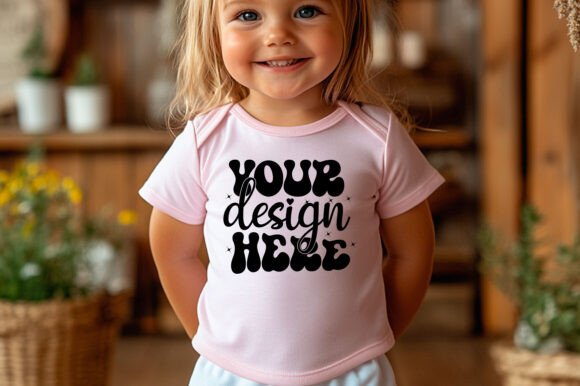
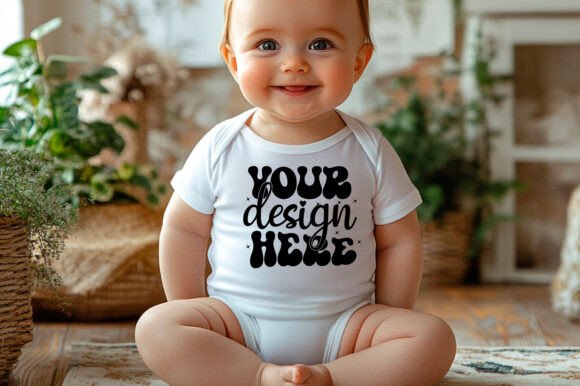
When I first loaded up the Rabbit Skins 4411 Baby Mockup 132, the immediate feeling was one of cozy professionalism. In the world of Product Mockups and Graphics, it is easy to find templates that look sterile or overly digital. This asset, however, captures the softness inherent to baby apparel. The lighting suggests a gentle, natural environment, which is exactly the mood you want to convey when selling baby embroidery or holiday embroidery items.
The layout of the mockup is designed to highlight the chest area of the garment, which is the prime real estate for most machine embroidery designs. Whether you are placing a delicate name script, a festive holiday motif, or a cute animal appliqué, this template frames the work beautifully. It does not distract from the stitching; instead, it acts as a stage, allowing your digital embroidery file to take center stage. For an Etsy seller or a boutique owner, this visual clarity is crucial for building instant trust with potential buyers.
Real-World Application: The Holiday Gift Rush
To truly test the value of this tool, I imagined a scenario that many of us face every year: the holiday rush. Picture a small shop owner preparing a line of personalized sweatshirt embroidery for grandparents. They have spent weeks digitizing a complex applique design featuring a reindeer and a child's name in a flowing script. Now, they need to list these items online before the shipping deadlines hit.
Using the Rabbit Skins 4411 Baby Mockup 132, the seller can instantly visualize how that specific embroidery file will look on the actual garment. It helps answer critical questions before a single stitch is made. Will the satin stitch pop against the fabric color? Is the hoop size appropriate for the placement? By superimposing their design onto this high-quality graphic, the creator can see if the scale feels right. If the design looks cramped in the mockup, it saves the maker from wasting expensive blank garments and thread on a physical test run that was doomed to fail.
This process is invaluable for creating printable mockups for social media teasers or Etsy listings. When a customer sees a realistic representation of a personalized gift, they are far more likely to engage. It transforms a flat image into a tangible desire. For those selling design assets rather than finished goods, this mockup allows you to show potential buyers exactly how your running stitch or fill stitch patterns will appear on a popular brand like Rabbit Skins, adding significant perceived value to your digital download.
Navigating Fabric Challenges and Stitch Clarity
While the visual appeal of the Rabbit Skins 4411 Baby Mockup 132 is undeniable, a responsible designer must also consider the technical realities of the garment itself. Baby clothes, particularly those from lines like Rabbit Skins, often utilize soft, stretchy blends. These fabrics can be tricky for commercial embroidery.
When planning your project based on what you see in the mockup, remember that real life involves physics. A design that looks crisp in the graphic might behave differently on a stretchy knit. If your embroidery project involves dense fill areas or large blocks of color, you must ensure you are using the correct stabilizer. The mockup shows the ideal outcome, but achieving that on a curved surface like a baby shoulder or a stretchy sleeve requires careful hooping and potentially a cut-away stabilizer to prevent puckering.
Furthermore, pay close attention to thread colors and contrast. The mockup likely displays the garment in a specific hue. If you are adapting this for a dark fabric, ensure your digitizing accounts for the background showing through. Tiny lettering or intricate corners that look sharp in the Graphics preview might lose definition if the stitch density is too low or if the thread sheen clashes with the fabric texture. Always test your design on a scrap piece of the actual fabric first. The mockup is a guide, not a guarantee of how every machine will handle every thread type.
Boosting Brand Consistency and Customer Trust
In the competitive landscape of handmade goods, consistency is key. Using a standardized set of high-quality images helps establish a recognizable brand identity. The Rabbit Skins 4411 Baby Mockup 132 offers a consistent baseline for your shop. Whether you are listing a tote bag design, an embroidered patch, or a full custom apparel line, maintaining a uniform look across your portfolio makes your shop appear more established and professional.
Customers are savvy; they can spot a low-effort listing from a mile away. By utilizing professional Product Mockups, you signal that you care about the details. This attention to detail translates into perceived quality of the actual stitching. If the presentation is polished, the buyer assumes the handmade product inside the package will be equally exquisite. This psychological link is powerful for increasing conversion rates and encouraging repeat business.
Practical Notes for the Working Designer
Before you finalize your listing or start your production run based on this mockup, here are a few practical steps to ensure success:
- Verify Licensing: Always double-check the license terms associated with the mockup file. Ensure you have the rights to use it for commercial purposes, especially if you are selling the resulting images as part of your marketing.
- Check File Compatibility: Confirm that the mockup format works with your editing software. Some require specific versions of Photoshop or other graphic tools to edit the smart layers effectively.
- Test on Scrap: Never skip the physical test. Use scrap fabric of the same weight and composition to verify your hoop size limits and stitch registration.
- Contrast Check: View your design in black and white within the mockup to ensure the value contrast is strong enough for the design to be readable from a distance.
- Wash Testing: Since this is for baby items, consider how the design holds up after washing. The mockup shows a pristine item, but your finished product needs to survive the laundry cycle.
In conclusion, the Rabbit Skins 4411 Baby Mockup 132 is more than just a pretty picture; it is a strategic tool for the modern craft entrepreneur. It bridges the gap between the digital embroidery file and the physical reality of the garment. By using it wisely, respecting the limitations of the fabric, and combining it with sound technical practices, you can elevate your small shop product offerings and create listings that truly resonate with customers looking for that perfect, personalized touch.