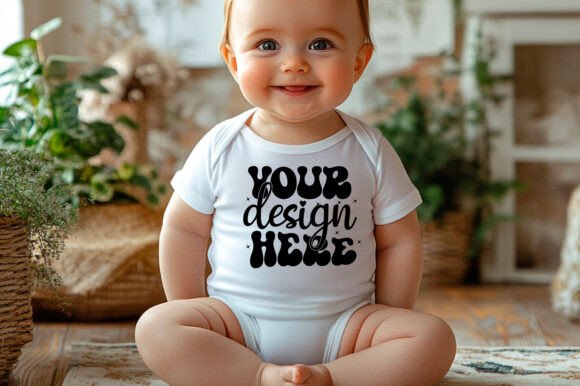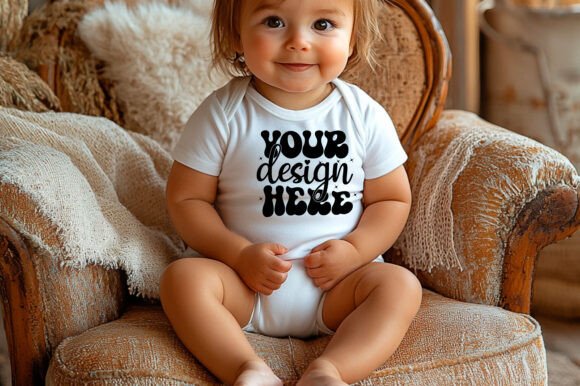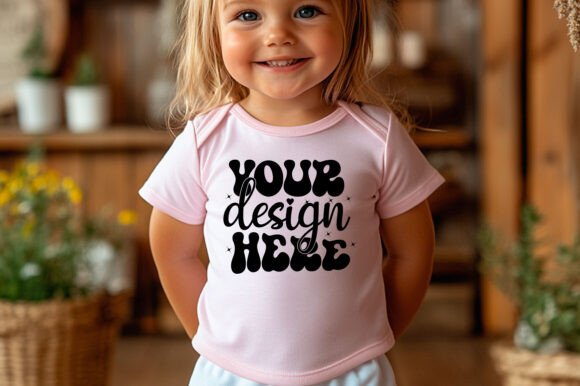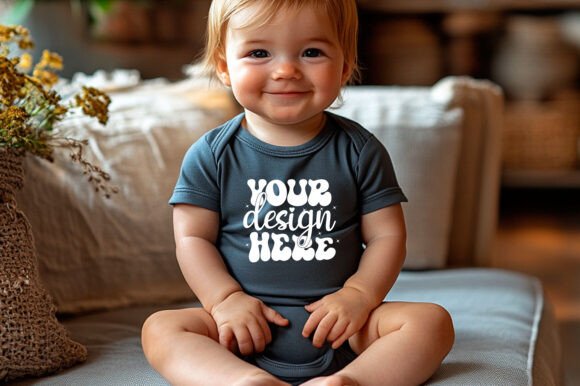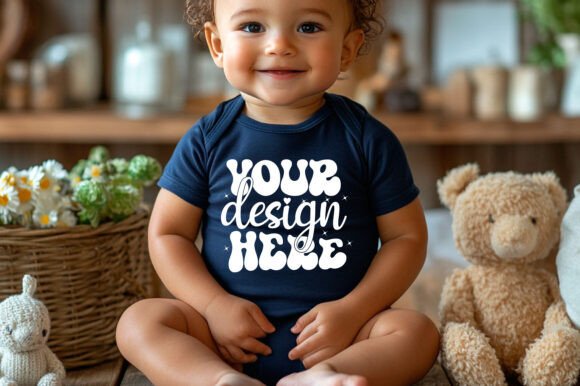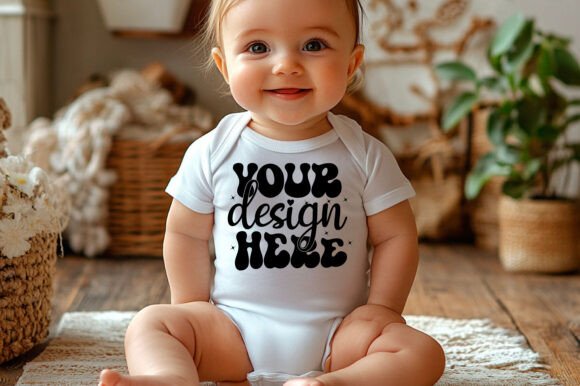
Rabbit Skins 4411 Baby Mockup 119 Review
As a designer who spends more time staring at stitch maps than most people care to admit, I approach every new machine embroidery design with a healthy dose of skepticism. We have all been there: you download a file that looks crisp on the screen, only to watch it pucker into an unrecognizable mess on actual fabric. That is why I took a close look at the Rabbit Skins 4411 Baby Mockup 119 before committing it to any client projects or holiday gift runs. This isn't just about whether the image looks cute; it is about whether this graphic holds up under the needle and delivers value for a craft business or Etsy seller.
First Impressions and Visual Personality
When I first pulled up the Rabbit Skins 4411 Baby Mockup 119, the immediate takeaway was its versatility. While the product description hints at Christmas themes and Gildan sweatshirts, the core strength of this graphic lies in its clean layout. For a designer, "clean" means manageable stitch density and clear separation between elements. The mockup suggests a softness that translates well to baby items, which is crucial because infants have sensitive skin, and parents are particular about what touches them.
The visual mood here is cozy and inviting. It feels less like a rigid logo and more like a boutique illustration. This makes it an excellent candidate for personalized gifts where the emotional connection matters more than corporate branding. However, seeing it as a digital asset is one thing; imagining it as a finished product requires thinking about thread choices and fabric interaction. The design seems to rely on solid areas that would likely benefit from a smooth fill stitch, balanced perhaps by some satin stitch borders to define the edges without adding unnecessary bulk.
Real-World Application: The Holiday Sweatshirt Scenario
Let's walk through a realistic scenario. Imagine a customer comes to your small shop product line asking for matching family Christmas outfits. They want something high-quality, not the cheap vinyl transfer that cracks after two washes. You decide to use the Rabbit Skins 4411 Baby Mockup 119 on a heavy cotton blend sweatshirt. This is where the rubber meets the road.
In this context, the design needs to breathe. Sweatshirt fabric has a distinct texture, often with a slight nap. If the embroidery file is too dense, the fabric will stiffen, and the garment will lose its drape. Based on the mockup presentation, the design appears to have enough negative space to prevent the "cardboard effect" on thicker materials. When stitched correctly, this could elevate a standard sweatshirt embroidery project into a heirloom-quality piece. The customer sees the preview, imagines their child wearing it, and the perceived value of your handmade product skyrockets because the presentation looks professional.
Beyond apparel, I can see this working beautifully on a canvas tote bag design. The structure of a tote bag handles embroidery well, providing a stable surface for the needle. Whether it is a diaper bag for a new mom or a market bag for a holiday shopper, the graphic scales nicely. It creates a cohesive look if you are building a collection of design assets for a seasonal launch.
Navigating Fabric Challenges and Hoop Constraints
However, we must talk about where caution is required. Not every fabric is a friend to every design. If you are planning to stitch the Rabbit Skins 4411 Baby Mockup 119 onto a stretchy knit or a thin onesie, you need to be strategic. Stretchy fabrics demand a good stabilizer. Without proper backing, even the best digital embroidery file will distort as the fabric moves during stitching. I would strongly recommend testing this on scrap fabric of the exact same weight and weave before touching the final garment.
Another consideration is the hoop size. While the mockup displays the graphic prominently, you need to verify the actual dimensions of the embroidery file. If the design includes tiny details or small lettering, ensure your machine's hoop can accommodate the full run without needing to re-hoop, which risks misalignment. Curved surfaces, like caps, present another hurdle. If you attempt to put this on a hat, the curvature might compress the design, making wide elements look squashed. This graphic feels most at home on flat or gently curved surfaces like pillow covers, aprons, or the chest of a t-shirt.
Dark fabrics also require a keen eye for thread colors. The mockup likely shows the design on a light background. If you are stitching on navy or black, you may need to adjust the underlay or choose brighter thread shades to maintain contrast. A lack of contrast can make a detailed design look muddy from three feet away, killing the visual impact you worked hard to create.
Building Trust and Brand Consistency
For commercial embroidery professionals and creative entrepreneurs, consistency is currency. Using a reliable graphic like the Rabbit Skins 4411 Baby Mockup 119 helps build a recognizable style for your brand. When customers see your work, they should instantly recognize the quality and aesthetic. A sloppy stitch job or a design that doesn't fit the garment ruins trust. Conversely, a well-executed embroidery project enhances buyer engagement and encourages repeat business.
This specific mockup serves as a powerful tool for marketing, too. Before you even stitch a single thread, you can use the printable mockup capabilities to show clients exactly what their custom order will look like. This manages expectations and reduces the back-and-forth communication that eats up a designer's time. It allows you to sell the vision of the holiday embroidery or baby embroidery item before the production even begins.
Practical Notes for the Studio
Before you load this into your machine, here is my checklist for ensuring success with this type of graphic:
- Test First: Always run a test stitch-out on scrap fabric similar to your final material to check for puckering or pull.
- Check Licensing: Since this is categorized under Product Mockups and Graphics, verify the license terms. Can you sell the physical embroidered item? Can you sell the digital file? Never assume.
- Thread Contrast: Evaluate your thread palette against the fabric color. High contrast usually reads better for intricate designs.
- Density Check: If the design feels stiff after stitching, consider reducing the fill density in your editing software if the file format allows.
- Wash Testing: For items like kitchen towels or baby clothes that face frequent washing, ensure the edges are secured tightly to prevent fraying.
In conclusion, the Rabbit Skins 4411 Baby Mockup 119 offers a solid foundation for a variety of embroidery projects. It bridges the gap between digital convenience and tactile craftsmanship. Whether you are creating a wedding gift, stocking your online store, or making something special for your own family, this design has the potential to shine—provided you respect the limitations of your materials and machines. Treat it with the care it deserves, and it will reward you with a finished product that stands out in a crowded market.